
What makes an eastern girls dress design age appropriate?
Eastern fashion offers a wide range of styles for girls. Shalwar kameez, frocks, ghararas, shararas, lehengas, and embroidered kurtis can all be adapted for different age groups. The key is understanding how colors, cuts, fabrics, decorations, and styling work together.
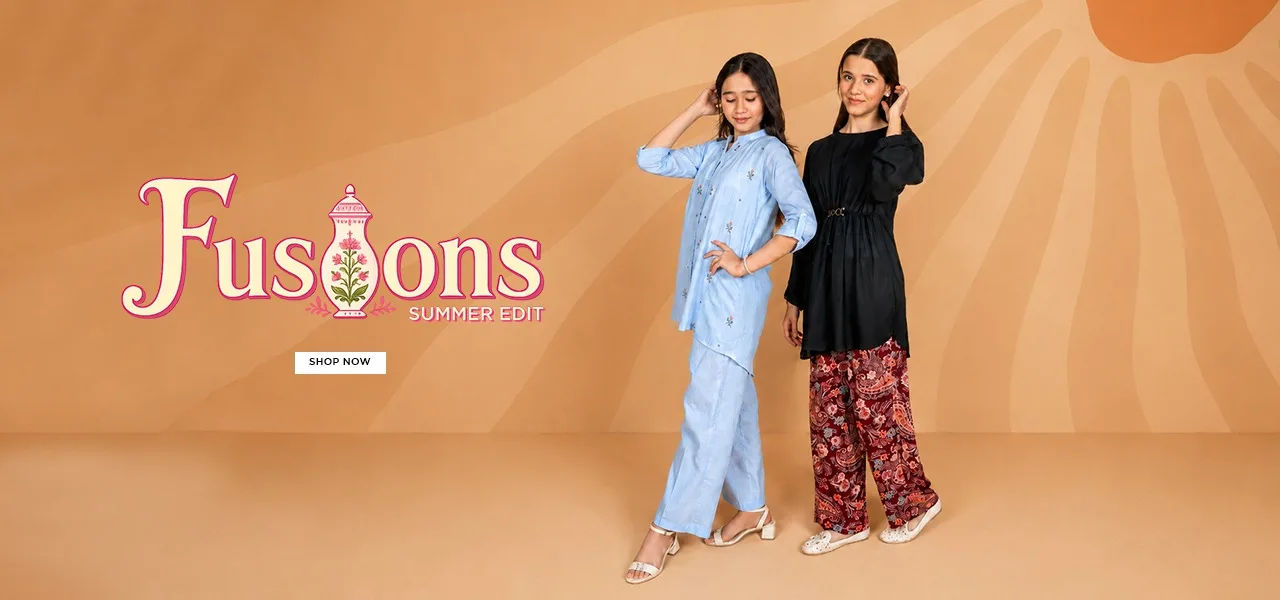
An age-appropriate outfit should look youthful and comfortable rather than like a smaller version of an adult's formal dress. Parents can make better choices by considering the girl's age, the event, the weather, and how easily she can move in the outfit.
Age Appropriate Eastern Fashion
Age-appropriate fashion does not mean that children should have limited choices. It means selecting designs that suit their stage of growth.
A dress for a young child can include playful prints, bright colors, soft fabrics, and charming details. For teenagers, designs can become slightly more refined while remaining youthful. Older teenage girls may prefer modern cuts, elegant embroidery, and more sophisticated color combinations.
The important thing is balance.
A beautiful outfit should allow a girl to look her age rather than making her appear older than she is. This is especially important with eastern clothing because traditional garments can easily be adapted with different lengths, necklines, embellishments, and silhouettes.
Considering the Girl's Age
Age is one of the first factors to consider when choosing an eastern outfit.
For younger girls, comfortable frocks, A-line shirts, simple shalwar kameez, and playful two-piece outfits are usually suitable. Designs with flowers, small prints, bows, colorful embroidery, or delicate borders can add personality without looking overly formal.
For girls entering their teenage years, clothing can become more structured. Straight shirts, lightly embroidered kurtas, printed trousers, and coordinated dupattas can create a polished appearance.
Older teenagers may enjoy more fashionable silhouettes, but the overall design should still be comfortable and suitable for their age.
The Importance of Comfortable Fabrics
Fabric has a major influence on whether a dress feels appropriate for a girl.
Children are naturally active. They may run, sit on the floor, play with friends, or move around during family gatherings. A beautiful outfit becomes impractical if it is heavy, scratchy, restrictive, or difficult to manage.
Cotton, lawn, cambric, soft linen blends, and lightweight fabrics are useful for everyday eastern wear. They allow better movement and are generally comfortable in warmer weather.
For winter, fabrics such as khaddar, velvet, wool blends, and thicker cotton can provide warmth while still allowing attractive styling.
Choosing Fabric for Special Events
Formal occasions may require richer fabrics. Chiffon, organza, velvet, silk blends, and other decorative materials can create an elegant appearance.
However, younger girls do not necessarily need heavily layered or extremely embellished clothing for every event. A lighter formal outfit can be just as beautiful.
For example, a simple frock with delicate embroidery may be more suitable for a young girl than a heavily decorated outfit with extensive beadwork.
The goal should be elegance without unnecessary weight.
Color Choices and Age
Color is another important part of an age-appropriate girls dress design .
Younger children often look comfortable in cheerful shades such as pink, yellow, peach, turquoise, sky blue, green, lavender, and coral. These colors can make an outfit feel fresh and playful.
Teenagers have a wider range of options. They may prefer pastels, jewel tones, neutrals, or combinations of contrasting shades.
There is no strict rule that certain colors belong to certain ages. Instead, the overall combination matters.
A dark color can look youthful when paired with playful embroidery or a colorful print. Similarly, a pastel dress can look sophisticated when designed with detailed embellishments.
Using Prints Carefully
Prints can make eastern clothing feel youthful and interesting.
Floral patterns, small geometric designs, traditional motifs, and playful illustrations can work particularly well for younger girls. Larger or more complex patterns may suit teenagers who want a more mature appearance.
The scale of the print should also match the size of the garment. Extremely large motifs can overwhelm a small child, while tiny patterns may disappear on a long teenage outfit.
Necklines and Overall Silhouette
The shape of an outfit is one of the strongest indicators of whether it is suitable for a particular age group.
For younger girls, round necks, simple collars, modest V-shaped designs, and comfortable A-line silhouettes can work well. The design should allow the child to move freely without requiring constant adjustment.
Teenage girls can explore more variations while keeping the overall outfit comfortable and appropriate.
An eastern dress does not need complicated tailoring to look fashionable. A well-fitted straight shirt with attractive sleeves and a coordinated trouser can look just as stylish as a heavily designed outfit.
Keeping the Fit Comfortable
Fit should never be sacrificed for appearance.
A dress that is too tight can restrict movement and make the girl uncomfortable. A dress that is excessively loose can become difficult to manage, especially during school events or family gatherings.
A good fit provides enough room for natural movement while maintaining a neat appearance.
Parents should also remember that children grow quickly. Buying a dress with a little practical growing room can make it more useful without making it look oversized.
Embroidery and Embellishments
Embroidery is an important part of eastern fashion. It can transform a simple outfit into something special.
However, the amount and type of embellishment should match the girl's age and the occasion.
For younger girls, small embroidered flowers, colorful threadwork, delicate borders, tiny motifs, and simple decorative elements can create a charming appearance.
Teenagers can wear more detailed embroidery, sequins, mirror work, zari accents, or other formal decorations when appropriate.
Avoiding Excessive Decoration
More decoration does not always mean a better outfit.
An excessively embellished dress can look heavy and may be uncomfortable for a young girl. Beads, sequins, metallic details, and thick embroidery can also make the garment difficult to wash or maintain.
A balanced girls dress design uses decoration to enhance the garment rather than cover every part of it.
For example, embroidery around the neckline and sleeves may be enough to make a simple kurta look festive.
Sleeves and Length
Sleeve styles can also influence the overall appearance of an eastern outfit.
Simple full sleeves, three-quarter sleeves, and comfortable short sleeves can all work depending on the age, season, and occasion.
For younger girls, sleeves should allow easy movement. Decorative cuffs or small embroidered borders can add interest without making the outfit complicated.
Dress length should similarly allow comfortable walking, sitting, and playing.
For formal dresses, longer silhouettes can look elegant, but the hem should not be so long that the girl constantly steps on it.
Matching the Dress to the Occasion
Age appropriateness also depends on where the outfit will be worn.
A school event requires a different approach from a wedding. Everyday family gatherings usually call for simpler clothing, while Eid and wedding celebrations may allow more decoration.
For school or casual wear, printed lawn suits, simple kurtis, trousers, and lightweight dupattas can be practical.
For Eid, a moderately embellished shalwar kameez, frock, sharara, or gharara can provide a festive appearance.
For weddings, richer fabrics and detailed embroidery may be appropriate, but the design should still reflect the girl's age.
Everyday Eastern Dresses
Everyday clothing should prioritize comfort and durability.
Cotton and lawn are excellent choices in warm climates. Simple prints and easy-care fabrics make daily outfits practical.
A basic shirt with trousers or a comfortable shalwar can create a traditional appearance without making everyday clothing feel formal.
Girls should also have the freedom to choose colors and patterns they genuinely enjoy.
Eid and Festive Clothing
Festive clothing provides more opportunities for creativity.
A girl's Eid outfit might feature embroidered sleeves, a printed dupatta, decorative borders, or a coordinated trouser.
Younger girls may enjoy frocks and colorful combinations, while teenagers might prefer straight-cut shirts, shararas, or contemporary versions of traditional outfits.
The best festive outfit combines celebration with comfort.
Cultural Influence in Eastern Dress Design
Eastern fashion is strongly connected to cultural traditions.
Shalwar kameez, gharara, sharara, lehenga, frock, and kurta styles have evolved over generations. Modern designers often combine traditional details with contemporary cuts.
For girls, this creates many possibilities.
A traditional motif can be used on a modern shirt. A classic embroidered neckline can be paired with a simple trouser. A traditional dupatta can add color to an otherwise minimal outfit.
Age-appropriate fashion does not require abandoning cultural identity. Instead, traditional elements can be adapted in ways that feel natural for younger wearers.
The Role of Modesty and Practicality
Modesty can mean different things to different families and cultures. When selecting eastern clothing, parents can consider their family's preferences while also making sure the girl feels comfortable.
Practicality matters just as much.
A young girl should not have to spend an entire event worrying about whether her dupatta is staying in place or whether her dress is difficult to walk in.
Simple styling often works best.
A lightweight dupatta, comfortable trousers, and a properly fitted shirt can provide a polished traditional appearance without unnecessary complications.
Letting Girls Express Their Personal Style
Age-appropriate fashion should still give girls room for self-expression.
A girl may love bright colors, while another may prefer soft pastels. One may enjoy embroidery, while another may prefer simple printed clothing.
Parents can guide choices without removing the girl's voice from the process.
Allowing her to choose between suitable options can help develop confidence and personal style.
For example, instead of deciding every detail, parents might offer several age-appropriate outfits and let the girl select her preferred color or print.
Balancing Trends With Timeless Designs
Fashion trends change quickly.
A particular sleeve shape, embroidery style, or color combination may become popular for one season and disappear later. For children, timeless designs can sometimes provide better value.
Classic silhouettes can be updated with trendy accessories, dupattas, shoes, or hair accessories.
This approach also allows the same dress to remain attractive even when trends change.
Common Mistakes to Avoid
One common mistake is choosing an outfit based entirely on appearance in photographs.
A dress may look beautiful in a picture but feel uncomfortable after several hours of wearing it.
Another mistake is selecting overly mature designs simply because they are fashionable. Clothing should complement the girl's age rather than imitate adult fashion exactly.
Ignoring the weather is another problem. Heavy fabrics and excessive layers can be uncomfortable during hot weather, while lightweight clothing may not provide enough warmth in winter.
Parents should also avoid excessive accessories. The dress itself should remain the main focus.
How to Choose the Right Design
A useful approach is to consider five basic questions before buying an eastern outfit.
Is the dress comfortable?
Does it suit the girl's age?
Is it appropriate for the occasion?
Can she move easily while wearing it?
Does she actually like the design?
If the answer to all five questions is yes, the outfit is likely to be a good choice.
A thoughtful girls dress design does not need to be expensive or complicated. Good proportions, suitable fabric, attractive colors, and age-appropriate details can create an excellent result.
Conclusion
An age-appropriate eastern dress is ultimately about balance. It should combine cultural identity, personal style, comfort, practicality, and visual appeal.
The best girls dress design recognizes that children and teenagers have different needs. A young child may benefit from playful prints and lightweight silhouettes, while a teenager may prefer more refined embroidery and contemporary tailoring.
Fabric, color, fit, neckline, sleeve length, embellishment, and occasion should all work together. None of these elements needs to be excessive. Sometimes a simple dress with thoughtful details looks more elegant than an outfit covered in decoration.
Most importantly, girls should feel comfortable and confident in what they wear. Fashion can be a wonderful way for them to explore creativity and cultural traditions while developing their own sense of style.
Whether the outfit is intended for school, a family gathering, Eid, or a wedding, the goal should remain the same: choose clothing that looks beautiful, feels comfortable, and naturally suits the girl's age. With careful attention to these details, an eastern dress can be both traditional and modern while allowing a young girl to look and feel like herself.