
The Curious Sheepskin More Than a Rug, a Reflection
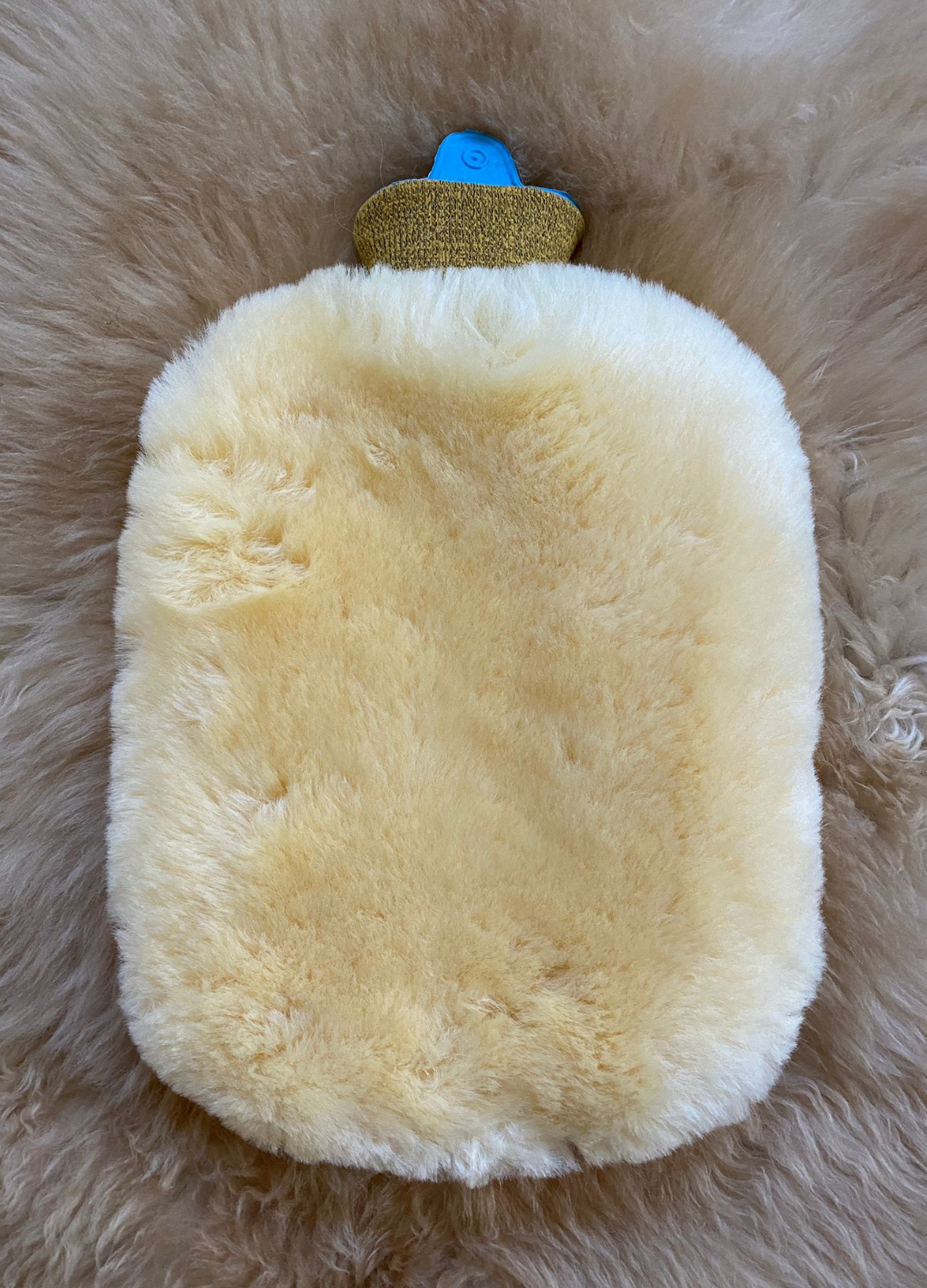
In the quiet corners of a modern home, a curious sheepskin lies draped over a minimalist chair, its creamy whorls and tufted texture an anomaly against sleek surfaces. We see it as a decorative accent, a tactile luxury. But what if we look closer? What if this sheepskin is not merely an object, but a reflector? It captures light, yes, but also history, ethical quandaries, and the very essence of a pastoral life colliding with contemporary design. This is not just about a pelt; it’s about the story it tells when we are curious enough to read its surface. The global sheepskin rug market, valued at over $3.5 billion in 2024, is a testament to its enduring appeal, yet few pause to consider the complex narrative woven into each fiber.
A Surface of Contradictions: Softness and Scrutiny
The primary reflection from a sheepskin is one of tactile contradiction. Its unparalleled softness is a direct result of its origin—a living, breathing creature. This duality forces a modern ethical examination. Consumers in 2024 are increasingly vigilant, with a recent survey indicating that 65% of luxury buyers actively seek transparency in animal-derived products. The curious sheepskin, therefore, becomes a mirror for our own values. Do we see a byproduct of the meat industry, ensuring no waste? Or do we see an industry unto itself, demanding specific welfare standards? This reflection is not comfortable, but it is necessary, pushing us toward certified sources like those adhering to the Responsible Wool Standard (RWS), which has seen a 40% increase in adoption by tanneries since 2022.
- The Ethical Reflection: It questions our consumption habits, balancing luxury against animal welfare.
- The Sustainable Reflection: As a natural, biodegradable material, it contrasts sharply with synthetic alternatives made from petroleum.
- The Historical Reflection: It serves as a tangible link to ancient traditions of pastoral communities.
Case Study: The Nordic Design Studio and the Traceable Fleece
In Helsinki, a forward-thinking design studio, “Koti,” made a radical decision in 2023. Instead of bulk-ordering generic sheepskins, they partnered with a single, small-scale farm in Finnish Lapland. Each sheepskin sold by Koti comes with a tag containing the name of the sheep and the farmer, along with the date of shearing. This hyper-transparency transformed the product. The sheepskin is no longer an anonymous commodity; it is a biography. Customers aren’t just buying a rug; they are investing in a story of animal welfare and sustainable husbandry. The reflection here is one of connection, bridging the vast gap between the end-user and the origin, and sales have increased by 150% for these traceable items, proving the market’s desire for authenticity.
Case Study: The Urban Therapist and the Textural Anchor
Dr. Alisha Khan, a therapist in New York City, introduced a single, pristine sheepskin into her otherwise sterile consultation room. Her intention was not aesthetic but psychological. She observed that anxious clients would instinctively reach down to touch the wool during sessions. The sheepskin became a textural anchor, a grounding tool in a digital, fast-paced world. For Dr. Khan, the sheepskin reflects a primal need for tactile comfort—a “biophilic” connection to nature that modern life often severs. It reflects a subconscious yearning for simplicity and organic warmth, demonstrating the material’s power beyond decor to serve as a non-verbal therapeutic aid.
Reflecting a New Future: Innovation and Upcycling
The most curious reflection comes from the material’s future. Designers are now treating sheepskin not as a flat rug but as a medium for innovation. We see it dyed with natural plant-based pigments, creating hues that reflect specific landscapes—the gray of mountain stone or the green of moss. More strikingly, a trend in upcycling has emerged. Companies are reclaiming post-production scraps from tanneries and fashion houses, felting them into new, patchwork sheepskins. This practice, which diverted over 10,000 kilograms of leather waste in 2023 alone, reflects a circular economy. The sheepskin becomes a mirror of resourcefulness, showing how waste can be transformed back into beautiful, valuable objects, each with a unique, imperfect pattern that tells a new story of renewal.
So, the next time you encounter a sheepskin, do not just see a rug. See a reflector. Curl your toes into its fibers and consider