

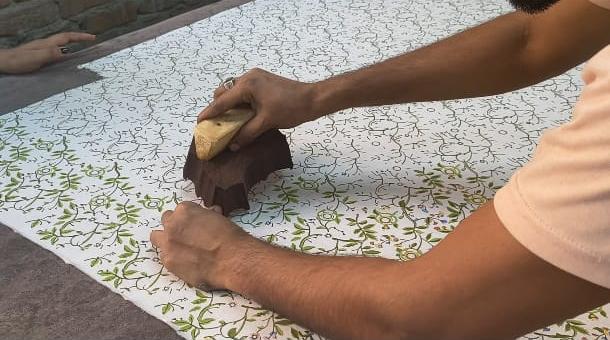
Choosing the right fabric is very important in custom block printing. The fabric you use can affect how your design looks, how well the color stays, and how long the print lasts.
For beginners and businesses, selecting the best fabric can make a big difference in the final result. In this guide, you will learn about the best fabrics for custom block printing and how to choose the right one for your projects.
Why Fabric Choice Matters
Not all fabrics work well for block printing. Some absorb ink better, while others may cause the design to look faded or uneven.
Better Print Quality
The right fabric helps the ink spread evenly and gives a clear design.
Long-Lasting Results
Good fabric holds the color well and keeps the print from fading quickly.
Ease of Printing
Some fabrics are easier to work with, especially for beginners.
Cotton Fabric – The Best Choice for Beginners
Cotton is the most popular fabric for block printing.
Why Cotton Works Well
- It absorbs ink easily
- It gives sharp and clean prints
- It is soft and easy to handle
Types of Cotton
- Plain cotton
- Organic cotton
- Cotton canvas
Cotton is perfect for beginners because it is simple to use and gives consistent results.
Linen Fabric – Strong and Stylish
Linen is another great option for block printing.
Benefits of Linen
- Strong and durable
- Has a natural texture
- Gives a premium look
Best Uses
Linen is often used for home decor items like tablecloths, curtains, and cushion covers.
Silk Fabric – Smooth and Elegant
Silk is a high-quality fabric that gives a luxurious feel.
Why Choose Silk
- Smooth surface for fine prints
- Bright and rich color results
- Perfect for special designs
Things to Consider
Silk can be more expensive and requires careful handling. It is better for experienced users.
Rayon Fabric – Soft and Affordable
Rayon is a semi-natural fabric that works well for block printing.
Advantages of Rayon
- Soft and lightweight
- Absorbs color well
- More affordable than silk
Common Uses
Rayon is often used for dresses, scarves, and fashion items.
Canvas Fabric – Thick and Durable
Canvas is a heavy cotton fabric that is great for certain projects.
Benefits of Canvas
- Very strong and long-lasting
- Holds prints well
- Ideal for bold designs
Best Projects
- Tote bags
- Backpacks
- Home decor items
Khadi Fabric – Traditional and Eco-Friendly
Khadi is a handwoven fabric that is popular in traditional printing.
Why Khadi Is Special
- Eco-friendly and natural
- Supports local artisans
- Unique texture
Ideal Uses
Khadi is perfect for traditional clothing and handmade products.
Blended Fabrics – A Mixed Option
Blended fabrics are made by mixing natural and synthetic fibers.
Pros
- Affordable
- Durable
- Easy to maintain
Cons
- May not absorb ink as well as pure cotton
- Print quality may vary
Blended fabrics can be used, but they may not give the best results for beginners.
Fabrics to Avoid for Block Printing
Some fabrics are not suitable for block printing.
Synthetic Fabrics
- Polyester and nylon do not absorb ink well
- Designs may look faded or uneven
Stretch Fabrics
- Hard to print evenly
- Designs can get distorted
Avoid these fabrics if you want clean and professional results.
How to Prepare Fabric for Printing
Preparing your fabric is just as important as choosing the right one.
Wash the Fabric
Wash the fabric to remove dust and chemicals.
Dry and Iron
Make sure the fabric is smooth and wrinkle-free before printing.
Test First
Always test your design on a small piece before starting your final project.
Tips for Choosing the Right Fabric
Here are some simple tips to help you choose the best fabric:
- Start with cotton if you are a beginner
- Choose light-colored fabrics for better visibility
- Use smooth fabrics for detailed designs
- Select thick fabrics for bold prints
Why Fabric Choice Matters for Business
For businesses, fabric choice affects product quality and customer satisfaction.
Many brands use Custom Block Printing on high-quality fabrics to create products that look professional and last longer. Good fabric also helps build trust with customers and improves brand reputation.
Common Fabric Uses in Block Printing
Different fabrics are used for different products:
- Cotton: T-shirts, dresses, tote bags
- Linen: Curtains, tablecloths
- Silk: Scarves, luxury clothing
- Canvas: Bags, home decor
- Khadi: Traditional wear
Choosing the right fabric depends on your project and target audience.
Conclusion
Selecting the best fabric is a key step in custom block printing. Cotton is the best choice for beginners, while linen, silk, and canvas offer more options for advanced projects. Each fabric has its own benefits and uses.
By understanding fabric types and their properties, you can create better and more professional prints. Whether you are working on a small project or running a business, the right fabric will help you achieve great results.
Now you know which fabrics work best for block printing projects.