
7 Things to Know Before Buying atv gear
Buying off-road gear is easy; buying the right off-road gear is a project. Between helmets, boots, gloves, goggles and the layers in between, a first-time buyer can spend a small fortune on things they never use — or save a fortune and end up with gear that fails at the worst moment. These are the seven things we wish every buyer knew before they opened their wallet.
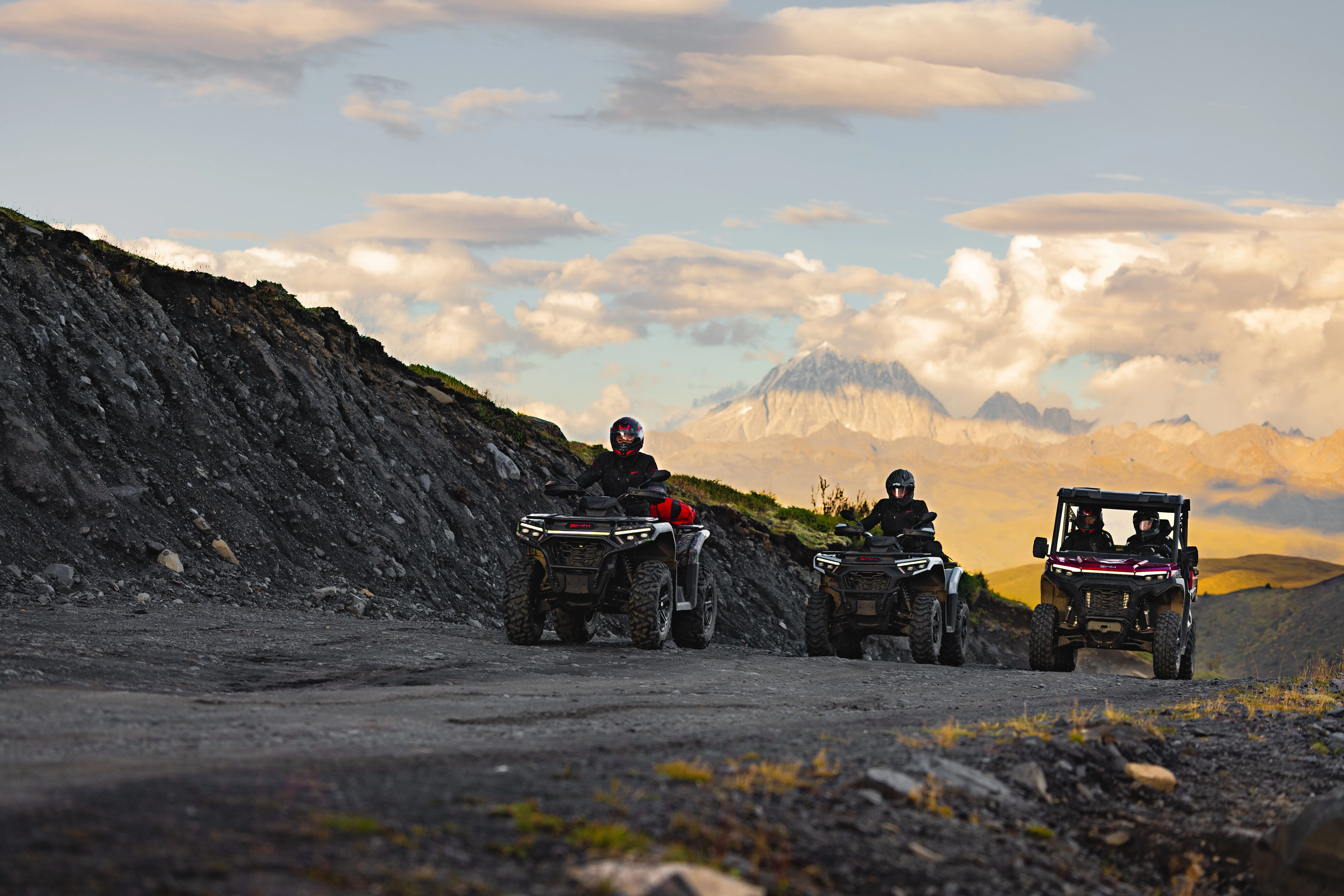
1. Fit beats brand every time
A helmet that shifts when you shake your head is a helmet that will not protect you. Try everything on with the exact layer you will wear underneath, and move around in it — lean forward, look up, turn your head fully. The most expensive swm off road gear is only as good as its fit, and a mid-price item that fits perfectly outperforms a premium item that does not. Sizes vary between brands, so never buy a helmet or boots sight unseen.
2. Buy the helmet first
Everything else is negotiable; the helmet is not. Look for certification marks from your region’s safety bodies, check the shell for defects and replace any helmet that has taken a hard hit, even if it looks fine. Budget for a new helmet every five years or so, because the foam that saves your head ages even when it is not used. A helmet is the one item where the extra money always shows up in the crash you hope never happens.
3. Boots are a long-term investment
Cheap boots fail at the seams, and a failed boot in the middle of a trail is misery. atv gear buyers should look for reinforced toe boxes, ankle support and soles that grip wet pegs and muddy ground. Waterproof liners matter more than logos, and good boots outlast three pairs of cheap ones. Try boots on with the socks you actually ride in, and walk a few laps of the shop before deciding.
4. Layers beat bulk
A single thick jacket is a mistake. The weather on the trail changes constantly, so buy a thin base layer, a mid layer and a shell. You can shed layers at a rest stop in seconds, but you cannot cool down a heavy jacket until the ride is over. Look for zippered vents and wicking fabrics — a rider who controls their temperature controls their whole day.
5. Goggles are not optional
Dust, branches and insects all find their way to eye level. Good goggles with anti-fog coating and a wide field of view cost surprisingly little and make the difference between a fun day and a dangerous one. Carry a spare lens — scratched plastic ruins visibility faster than you think. A cheap pair of goggles that fog on every stop is a false economy that will cost you a ride.
6. Gloves with grip save your hands
Your hands do more work than any other part of your body on a machine. offroad riding gear gloves need padded palms, breathable backs and knuckle protection. Test the grip before buying, and keep a second pair in the pack for wet days. Thin summer gloves and insulated winter gloves are different products — buy for the season you ride most, then add the second pair later.
7. Budget for the kit, not just the machine
New riders often spend everything on the vehicle and nothing on protection. A sensible rule is to set aside ten percent of the machine budget for gear, and buy the critical items first. A used machine with new safety gear is a better deal than a new machine with borrowed gear. Build the kit in order of protection value — helmet, boots, gloves, goggles — and let the cosmetic items wait.
The last word is simple: ride safe, ride equipped, and let the gear protect you so you can enjoy the trail. Start with the essentials, upgrade as you learn your own style, and you will buy less gear — and better gear — than someone who shops by looks alone.